When the Okanagan golf season winds down, it is tempting to put the clubs away until spring. But winter offers something that can be difficult to find during a busy summer: time to practise without worrying about the scorecard. Whether you live in Kelowna, West Kelowna or elsewhere in the valley, a modest routine can help you stay connected to the game. This guide combines indoor simulator sessions, simple home drills and a realistic plan for returning to outdoor golf. You do not need to rebuild your swing or book a bay every week to make the most of the off-season.
Start with one goal rather than a swing overhaul
Before booking your first simulator session, think about the rounds you played last season. Were you regularly missing fairways, leaving approach shots short, or struggling to judge the pace of longer putts? Choose one problem that you can describe clearly. A useful goal might be to learn the typical carry distance of your mid-irons or to develop a repeatable pre-shot routine. Avoid setting a target based solely on hitting the longest drive of the winter.
Use the first session to establish a baseline. Warm up gradually, then hit several shots with a short iron, a mid-iron and a longer club. Record the usual result rather than the single best shot. Note which direction your misses tend to travel and how widely the shots are spread. Keep those notes somewhere accessible so you can compare them later. If the numbers vary considerably, treat that as useful information rather than a reason to start changing everything at once.
Choose an indoor session that fits your purpose
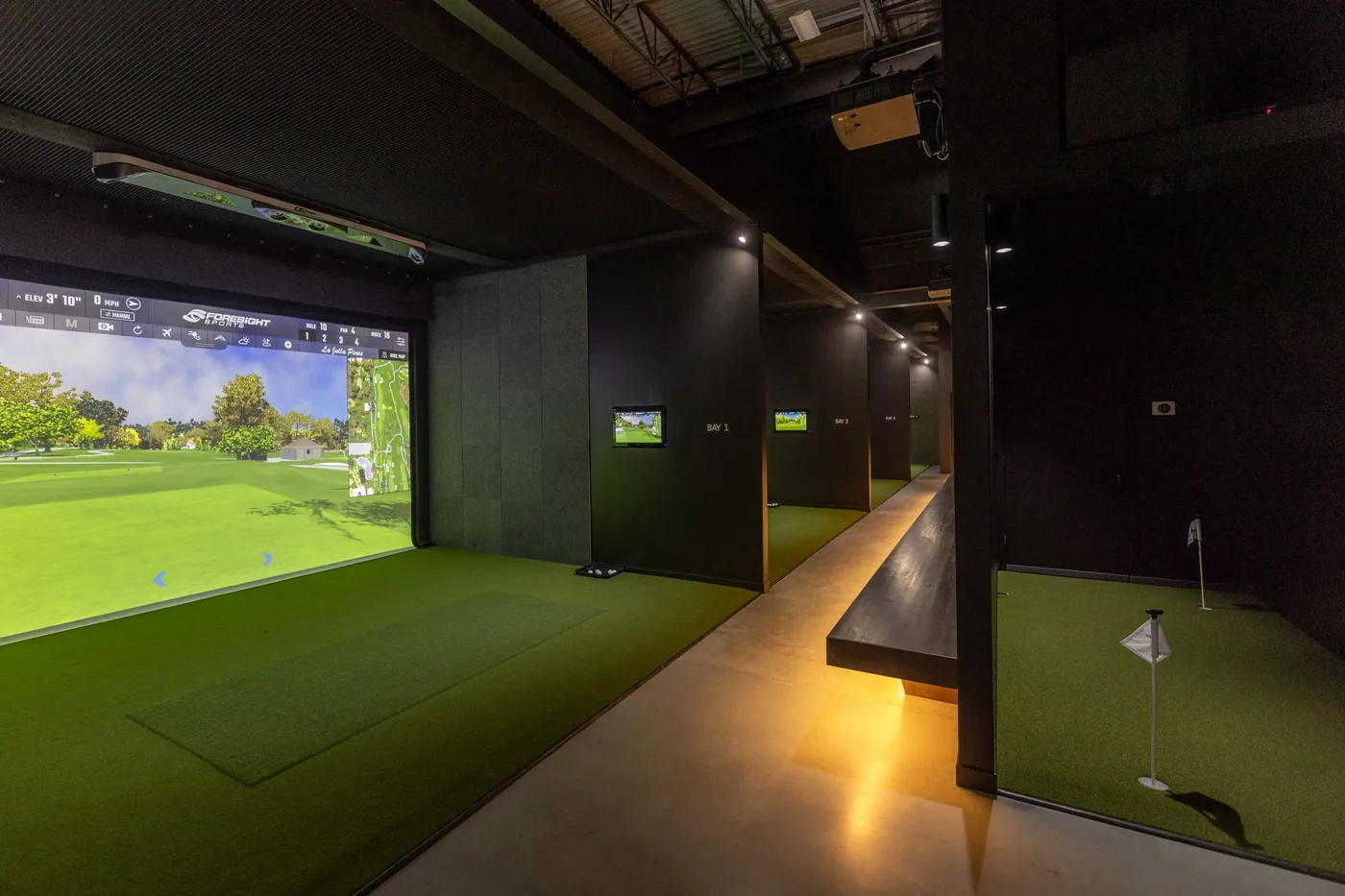
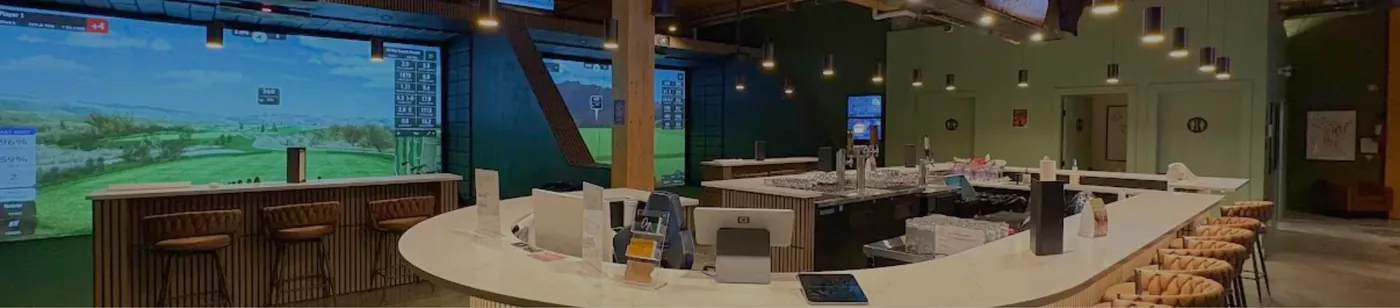
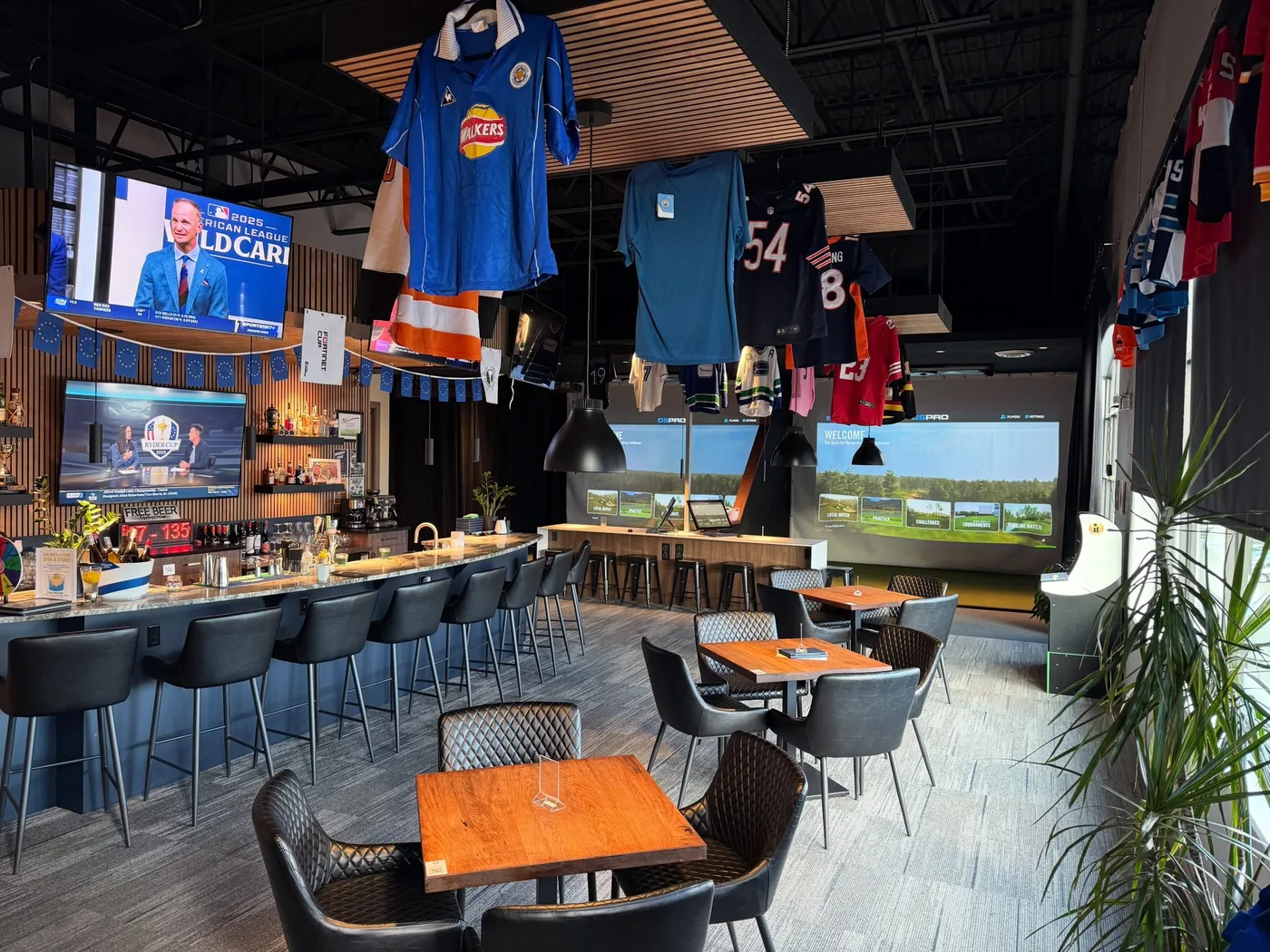
Kelowna has indoor golf options for both focused practice and casual rounds. Groove4 Golf advertises year-round simulator training and distance-gapping practice using TrackMan. Golf Evolution offers simulator play and practice, making it another option for golfers who want to alternate between working on their game and playing a virtual course. On the west side of the lake, GOLFBOX in Westbank advertises private TrackMan simulator bays. Check each operator's website for current hours, booking arrangements and prices before heading out.
For a focused session, consider booking on your own or sharing with one other golfer so there is enough time to repeat shots and review results. A group outing can be a better fit for playing a virtual round and enjoying the social side of golf. Neither format needs to replace the other. If you only have one booking this month, divide it into a warm-up, a specific drill and a short virtual playing segment rather than spending the entire session hitting drivers.
Make a simulator hour count
A suggested sixty-minute session begins with ten minutes of gentle warm-up and progressively longer shots. Spend the next fifteen minutes working on one club and one target. Rather than immediately hitting another ball after a poor result, step away, reset and choose the intended shot again. This helps make your indoor practice resemble the decisions you face outdoors.
Use another twenty minutes to change targets and clubs. Imagine an approach shot to a narrow green, then a longer shot where the sensible objective is simply to leave yourself a playable next shot. Finish with fifteen minutes of virtual golf or a small skills challenge. Keep track of your typical carry distances and shot patterns if the simulator provides them. Remember that indoor mats, simulator settings and virtual conditions differ from real turf, wind and uneven lies. Use the numbers as a reference, not a promise of what every outdoor shot will do.
Keep practising at home between bookings
You can build a useful routine without a launch monitor or a dedicated golf room. A putting mat or a clear stretch of carpet is enough to practise starting the ball on a chosen line. Pick a small target and roll several balls from the same starting point. Then change the distance and focus on making the same deliberate setup each time. Carpet speed is not a substitute for a real green, so concentrate on direction and routine rather than trying to reproduce exact outdoor distances.
Spend a few minutes rehearsing your grip, address position and alignment in a safe space. There is no need to make full swings indoors unless the area is specifically designed for them. If you want to work on mobility or general conditioning, choose comfortable exercises appropriate to your abilities and avoid movements that cause pain. The aim is to make practice easy to repeat. Two short sessions during the week may be more manageable than an ambitious routine that disappears after January.
Build a simple four-week winter routine
In week one, book an indoor session if your budget allows and establish your baseline. During week two, concentrate on short home putting sessions and review the notes you made. In week three, return to a simulator if practical and repeat the same target and club tests before adding a virtual round. In week four, compare your results and decide whether to keep the same focus for another month. You can stretch this cycle across a longer period if simulator bookings are infrequent.
For golfers who enjoy competition, create a small personal challenge instead of focusing only on score. Count how many shots finish within a chosen target area, or how consistently your putts start on the intended line. Keep the challenge comparable from one session to the next. If the results are not improving, consider a lesson rather than collecting more swing tips from unrelated sources. A local coach can help you decide which change deserves attention and which parts of your existing swing are worth leaving alone.
Prepare for your first outdoor round in spring
As spring approaches, review your equipment, replace worn items if necessary and make a shortlist of courses you want to play. The Kelowna Golf Guide course directory is a useful starting point for exploring options around the valley. Confirm opening dates directly with course operators, because conditions and seasonal schedules can change. Do not assume that a warm afternoon in town means every course is ready for play.
When you do return outdoors, give yourself time to adjust to real grass, slopes, wind and green speeds. A range session or a relaxed early-season round can help you reconnect your winter practice with the outdoor game. Your first score is not a final verdict on the work you did indoors. The real objective is to arrive in spring with a clearer understanding of your game and a routine you can carry into the season. Whether you spend winter playing virtual rounds with friends or quietly rolling putts at home, a little purposeful practice can make the transition back to Okanagan fairways more enjoyable.